


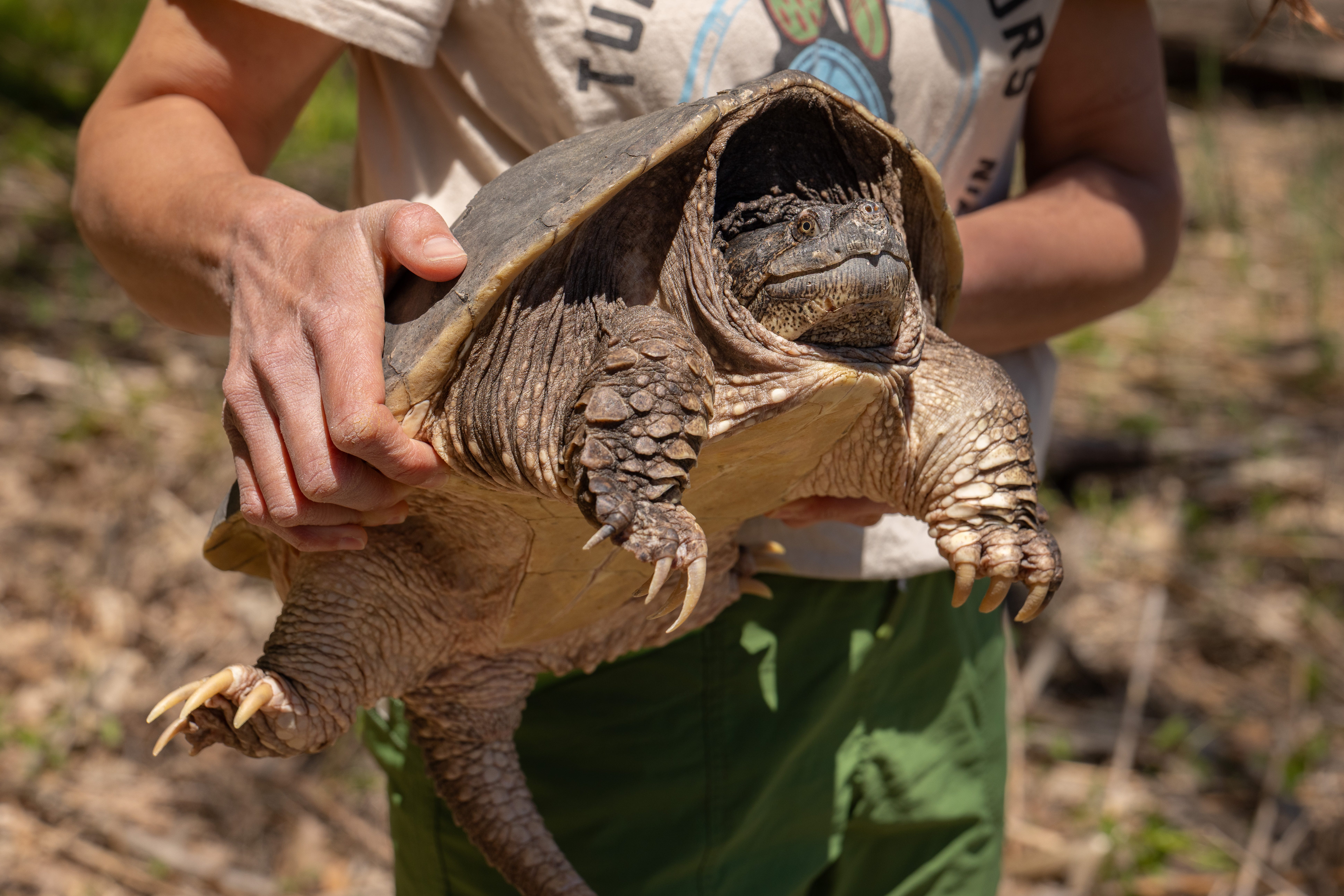
It’s a cool spring day in Toronto, and a small group gathers on the shore of Grenadier Pond, across from High Park. This marshy spot is a turtle haven. Amid the reeds, a Painted Turtle sits on a log, basking in the noonday sun. It, too, will bear witness to this moment — the release of a mature Snapping Turtle.
Leading the release are Carolynne Crawley and Jenny Davis, co-founders of Turtle Protectors, an Indigenous, volunteer-led organization that protects and advocates for turtles throughout Tkaronto (Toronto).
“Our Anishinaabemowin (or Ojibwe) name is Mishiikenh Gizhaasowin,” explains Crawley. “Mishiikenh references turtle. Gizhaasowin references the fierce protectiveness that a mama bear has when she’s defending her cubs.”
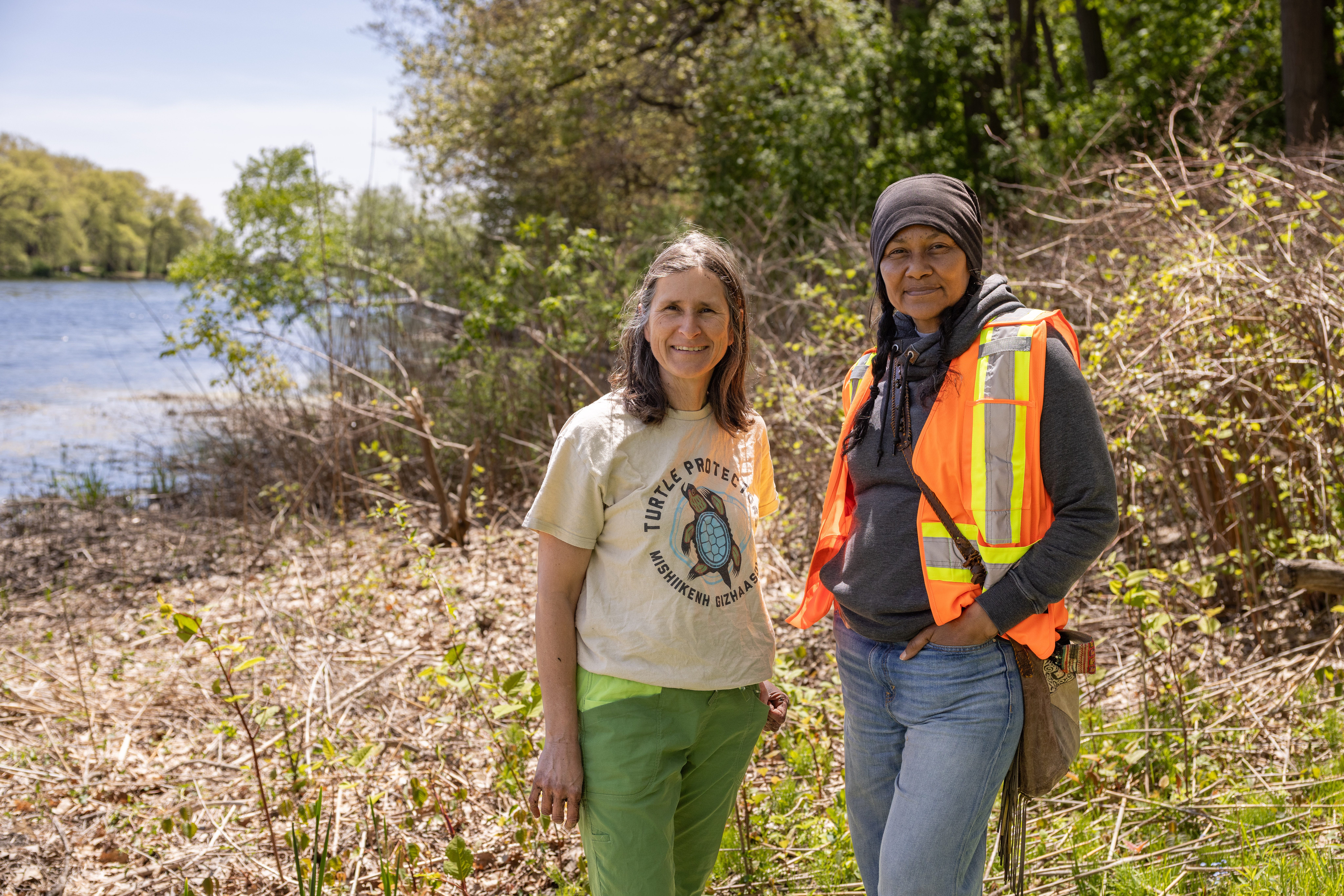
Turtle Protectors operates a hotline and responds to calls about turtles on land or in distress. With more than 260 volunteers across 11 parks, they protect turtle nests, help turtles safely cross roads, guide hatchlings to water, and rescue injured turtles. They’ve released plenty of turtles, but this time is different — a month ago, everyone thought this turtle was dead.
Well, almost everyone.
On April 16, a homeowner called the turtle hotline to report a deceased turtle and invited Jenny Davis to come take a look. When Davis arrived on the scene, the turtle had been lying there for about 24 hours.
“She was on her back, feet splayed to the sky world, and she looked clearly dead,” Davis recalls.
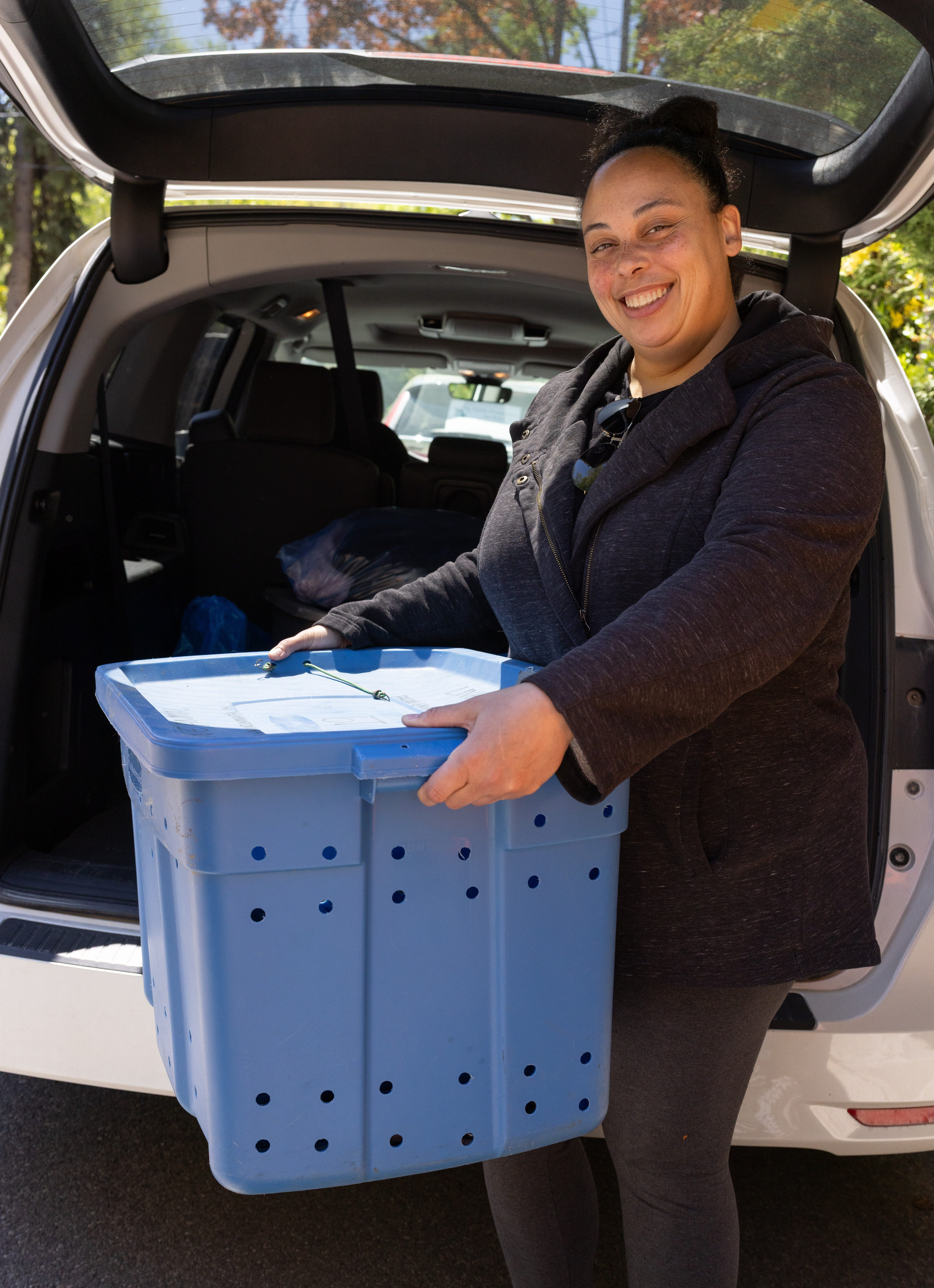
She picked up the turtle and placed her in a plastic bin. Because it was evening and the Toronto Wildlife Centre was closed, she planned to bring the turtle home and put her body in the freezer. It would have been autopsied to determine the cause of death, the findings used to support advocacy work. But as it turns out, Davis’s son is terrified of germs.
“If you put that turtle in our freezer,” he told her, “I won’t eat anything from the freezer again.”
And without knowing it, he gave the turtle another chance at life.
The next day, Davis brought the turtle to Toronto Animal Services so they could put her in their freezer instead. But, lucky for the turtle, Joanna Yorke was on duty.
“Are you sure it’s dead?” asked Yorke.
She wasn’t so sure. Although this was her first turtle rescue as a technician, she has turtles of her own — and she recently took a course by Dr. Sue Carstairs, who runs the Ontario Turtle Conservation Centre. The course taught that only a veterinarian can determine if a turtle is actually dead. That’s because turtles have the ability to lower their temperature, heart rate, and metabolism in order to conserve energy during brumation, a state of dormancy triggered by dropping temperatures. During brumation, a turtle’s heart can beat as slowly as once every 10 minutes. Turtles enter a similar state when they are sick or injured — and it can be virtually impossible to tell if they are dead or alive. Unless a turtle is missing a head or its body is flattened, it should be held until a veterinarian can assess it.
This is precisely what Davis teaches her volunteers, but she remained convinced the turtle was dead. She took one look at Yorke and said, “I’ve been working with turtles for about five years. I’m sure she’s not alive.”
Yorke said okay and brought the bin to the back, where she was supposed to bag the turtle and put her in the freezer. But she had a nagging feeling that this would be a mistake. She picked up the snapper by the shell and gently jiggled her to see if she could get a response. Nothing. But then, just as she was about to put her in a bag, something miraculous happened: the turtle took a breath.
“It was a big, gasping breath,” says Yorke.
She stared at the turtle in amazement, wondering if she would take another breath. She didn’t take one — she took three more.
Yorke ran to get her manager, who was still skeptical: Animals can produce reflexive, irregular gasps even after death. To be on the safe side, they decided to keep the turtle under observation for another 72 hours.
Then, as Yorke was moving the bin to the observation area, the turtle settled the question herself — several more gasping breaths, and her front legs began to move.
Excited, Yorke went back to tell Davis — who was doubtful, but happy to be proven wrong.
“Before this I taught people that only a veterinarian can tell if a turtle is dead,” she says. “Now I believe that with all of my heart.”
Davis had the turtle transported to the Toronto Wildlife Centre (TWC), where a medical team was waiting to receive her. Staff say the Snapping Turtle had likely suffered an infection before entering brumation, and when she emerged, her immune system was too weak to fight it off. She was extremely lethargic, they said, using every ounce of energy to stay alive.
To assess the turtle, the team used a heating pad to warm her up over the next 24 hours — which would, if she was alive, speed up her heart rate. The next day they used a Doppler ultrasound to listen. And there it was, a gentle but unmistakable heartbeat.
The veterinarian put the turtle on antibiotics to treat the suspected infection and kept her under close supervision. Within days, she was back to normal — eating, drinking, and indeed, snapping.
In Canada, Snapping Turtles (Chelydra serpentina) are listed as a species of Special Concern under the Species at Risk Act (SARA). The Ontario Turtle Conservation Centre estimates it takes 59 years to replace the loss of a single adult Snapping Turtle because of their late maturation and the low survival rate of eggs and hatchlings. Every successful rescue like this one counts.
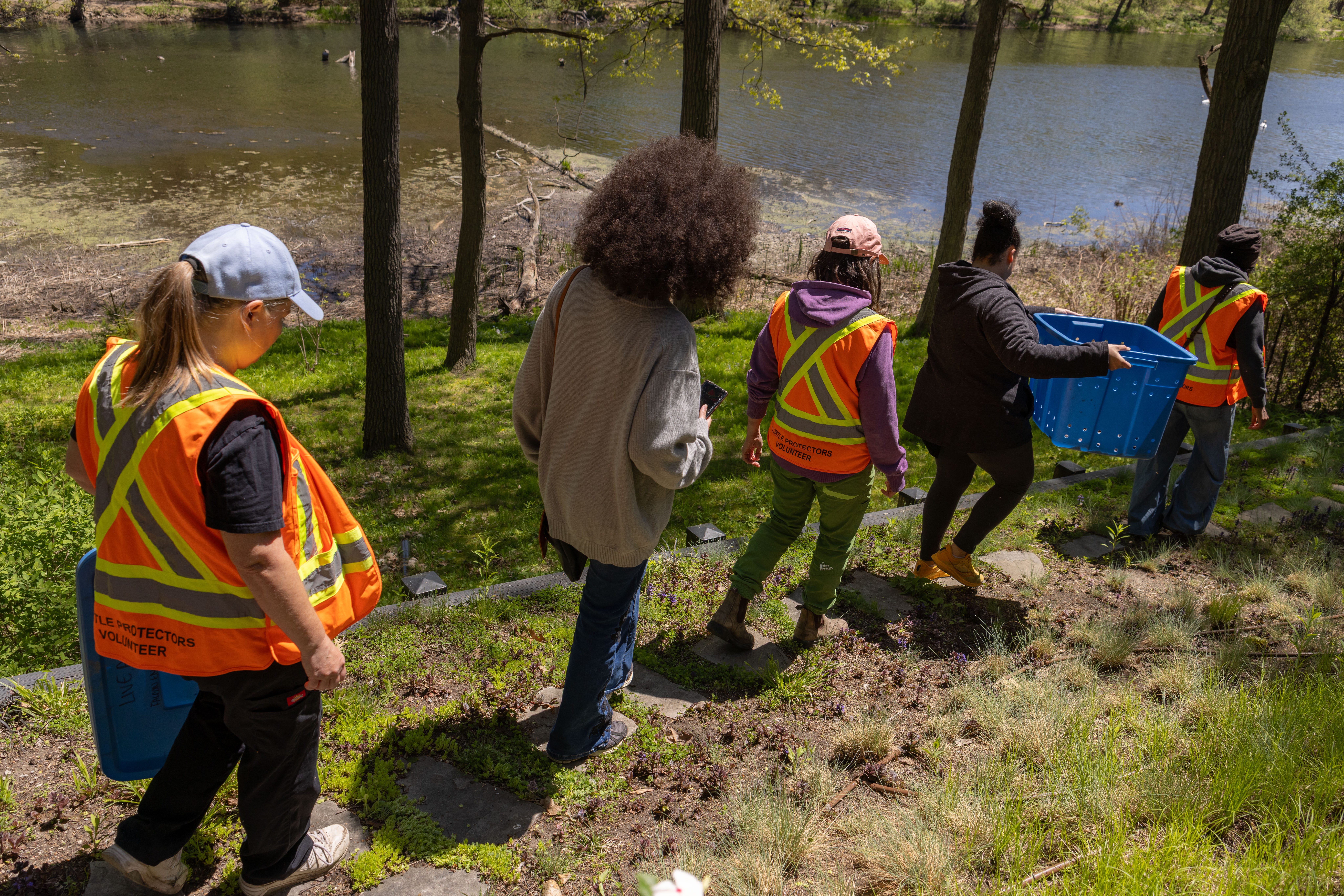
Back at Grenadier Pond, Davis reaches into the blue bin and gingerly picks up the turtle, who stretches her neck toward her, mouth open in what looks like a smile. To Davis, it feels like she is saying thank you.
Davis gently places the turtle on the edge of the pond, where the snapper takes a moment to adjust to her surroundings. Moments later, she waddles a short distance and slowly buries herself in the mud, where she will feel safe.
With big smiles, and perhaps a few tears, everyone calls out “baamaapii” — an Anishinaabemowin phrase that means “until we meet again.”
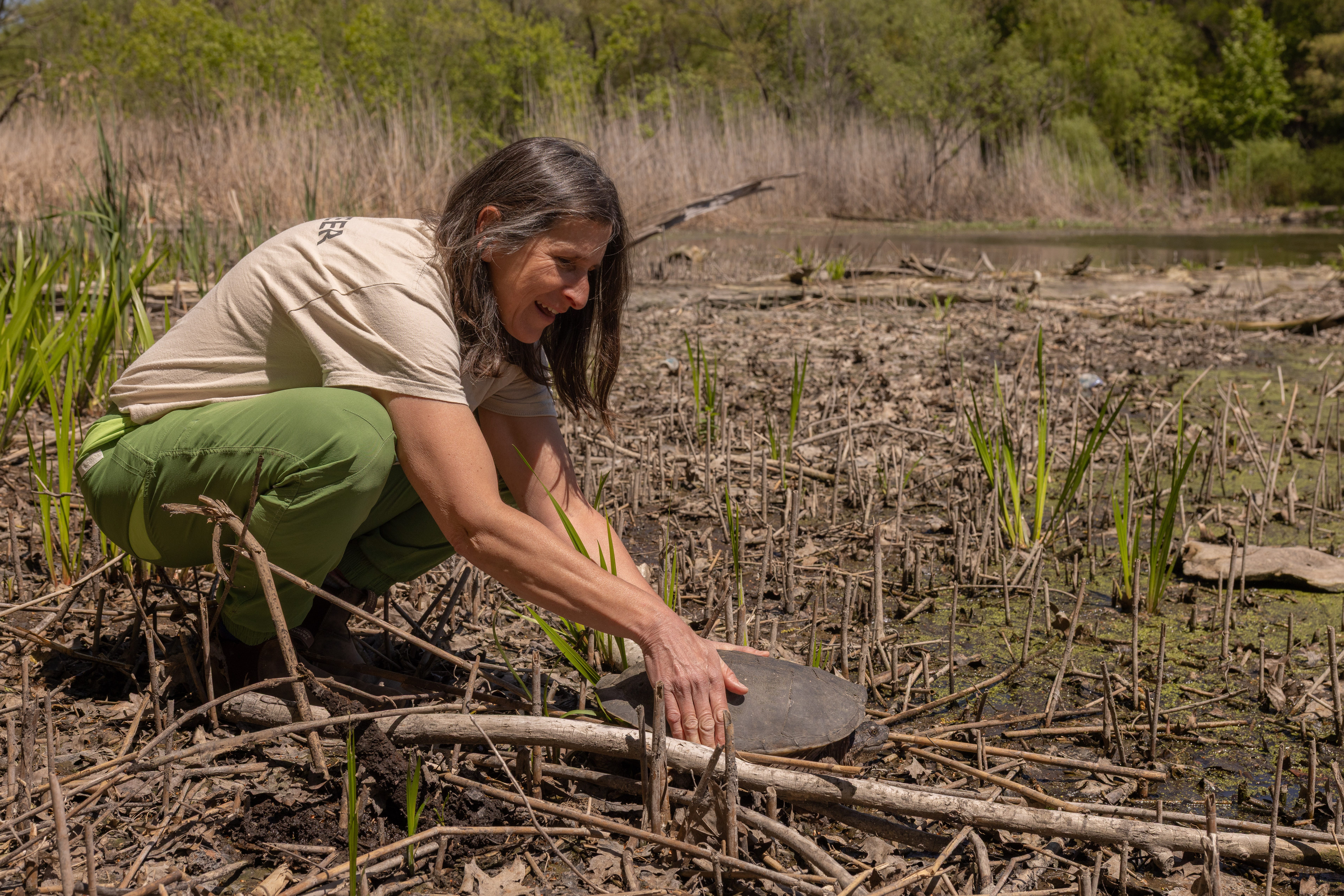
Davis has a lot to be grateful for: the volunteers for monitoring the hotline, Yorke for following her gut, and the team at TWC for following strict protocol and nursing the turtle back to health.
“Through a collective effort and a whole lot of good fortune, we saved a life.”
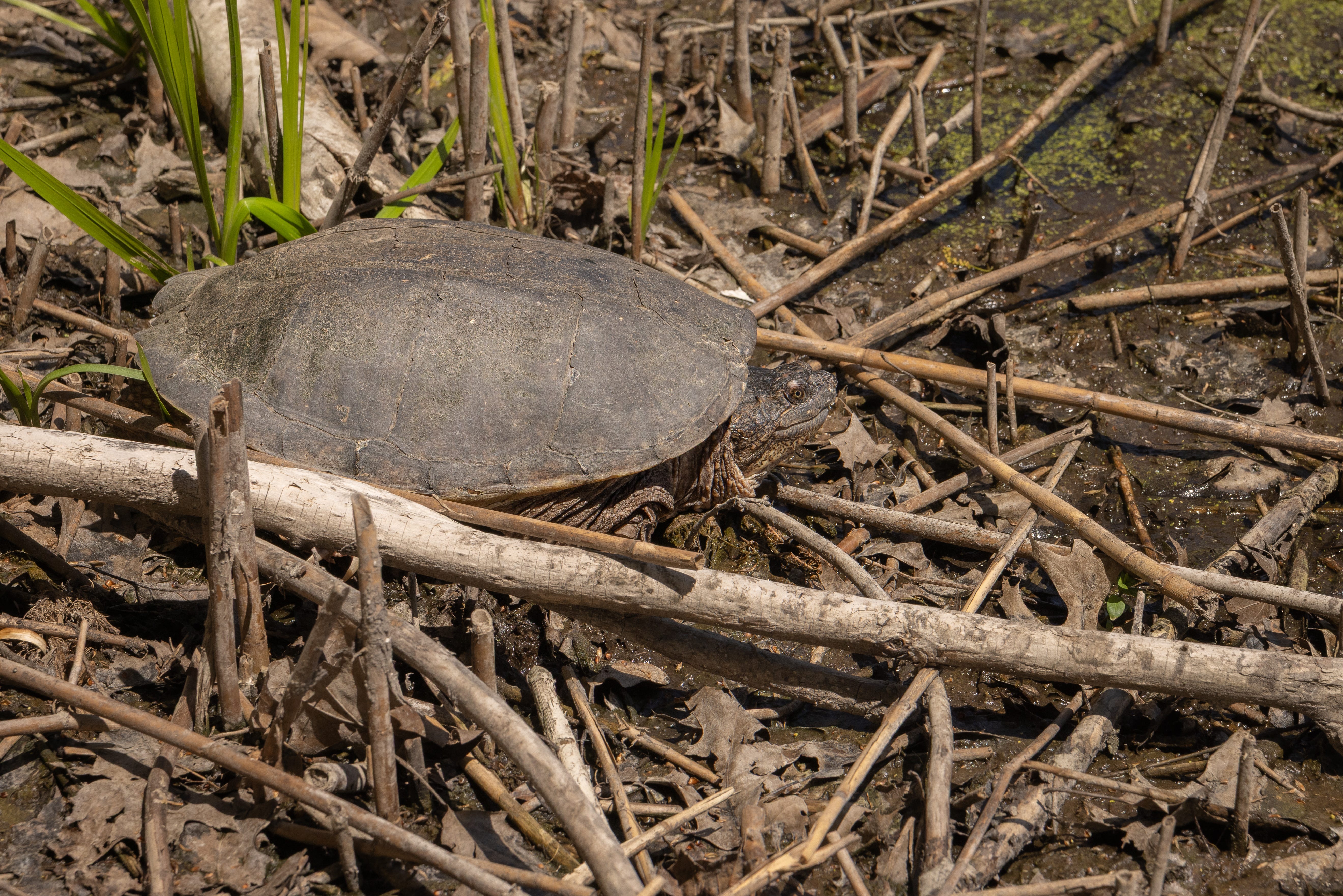
So thankful 🙏 this sweet angel was saved. I won’t hesitate to stop and help them. I’ve moved Snappers, tortoises and others out of the road to safety. Below is a related story about the alligator snapping turtle.
It sat on a grocery store shelf for a decade. It turned out to be an entire species. And the country ate its way through it before anyone checked.
https://substack.com/@sac875/note/c-275746943