


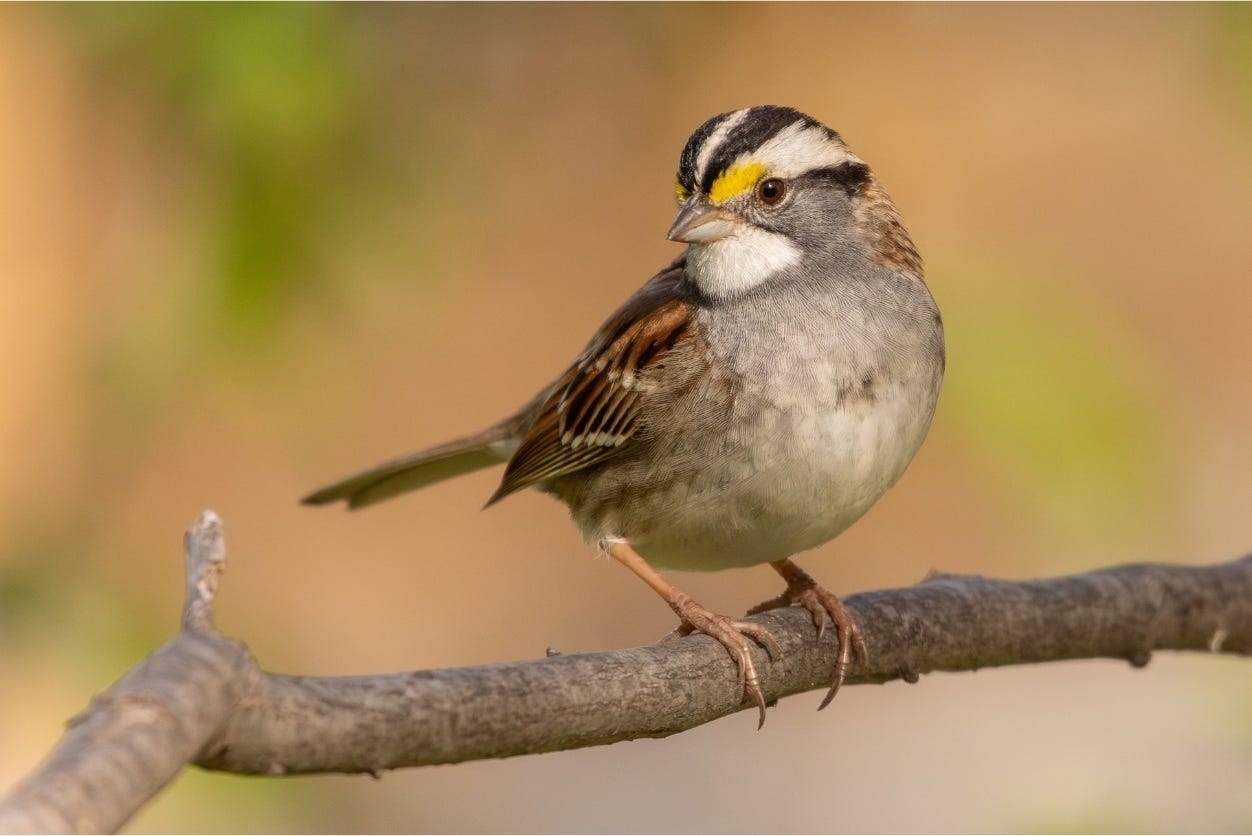
Fall migration is underway, and birds are on the move. Some may be travelling a few hundred kilometres, while others will cross continents and oceans to reach their wintering grounds. Along the way, they need safe places to rest and refuel.
Whether you live in a city, suburb, small town or rural community, migratory birds pass through the landscapes around you. Some stop for only a few hours, while others stay for days or weeks before continuing their journeys.
But many of these birds are disappearing. According to BirdLife International, 45% of the world’s migratory bird species are declining. In North America alone, we have lost an estimated 2.5 billion migratory birds since 1970.
Birds have been migrating for millions of years, and they have had to battle extreme weather and avoid being hunted by native species. Now, because of humans, they must contend with habitat loss, pesticides, domestic cats, artificial light, and glass. They arrive at stopover sites exhausted and hungry, and they need safe habitat and plentiful food to survive the next leg.
Birds face many challenges, but there are meaningful ways we can help — at home, in our communities, and through the choices we make as citizens.
Make Windows Visible
Birds don’t grasp the concept of glass. They see reflections of trees and sky, or see through a building to vegetation on the other side, but they don’t recognize the glass itself as a solid surface. Glass railings pose the same problem. In North America alone, window collisions kill over a billion birds every year.
The solution is to make glass visible. You can treat the outside of windows and glass railings with collision-deterrent film or closely spaced visual markers like Feather Friendly. Tempera paint and oil-based markers can also be used to create effective patterns. Markings should cover the entire problem area and be spaced no more than two inches apart.
For detailed guidelines and treatment options, visit FLAP Canada or read my guide for Chatelaine.
Turn Out the Lights
Many birds migrate at night, using natural cues such as the moon and stars to navigate. Artificial light from buildings, homes, floodlights and other structures can attract and disorient them, particularly on cloudy, foggy, or rainy nights. Once drawn into brightly lit areas, birds may waste precious energy circling or become trapped among buildings, where they are at greater risk of colliding with glass.
Turn off unnecessary indoor and outdoor lights at night, especially during spring and fall migration. If you need to keep the lights on, close blinds or curtains, use motion sensors, and direct outdoor lighting downward. If you live or work in a larger building, advocate for a seasonal Lights Out program.
Create and Protect Habitat
Migratory birds depend on stopover sites: safe places where they can rest and refuel. Forests, wetlands, grasslands, shorelines, and even urban green spaces can all provide essential habitat along their journeys.
You can create habitat at home by growing native plants, which provide birds with food and shelter while supporting the insects many species eat. Choose a variety of flowers, grasses, shrubs and trees, leave seed heads standing, and allow some fallen leaves to remain in garden beds. Even a balcony or small yard can help. In Canada, Bird Gardens can create a native plant list tailored to your location and growing conditions.
Beyond your own space, support organizations that protect and restore important habitat. Speak up when natural areas are threatened, participate in public consultations, and vote for political candidates who are committed to protecting biodiversity. Migratory birds cross borders, so safeguarding them requires both local action and strong conservation policies all along their flyways.
Avoid Pesticides
Most bird species depend on insects during at least one stage of their lives. Even birds that primarily eat seeds or fruit may rely on insects to feed their young.
Pesticides can reduce this vital food supply and may also expose birds to harmful chemicals. Avoid using insecticides, herbicides and rodenticides whenever possible. Native plants can make this easier because they are adapted to local conditions and evolved alongside local insects. And if you can afford to, try to purchase organic.
A healthy garden will contain insects. Rather than treating them all as pests, think of them as part of the food web that sustains birds and other wildlife.
Keep Cats Safe and Supervised
Free-roaming cats are a major source of bird mortality. Keeping cats indoors protects birds and can also shield cats from traffic, disease, fights and predators. Cats can still enjoy outdoor time in a secure catio, on a leash, or under close supervision. Indoor climbing structures, toys, window perches and interactive play can provide exercise and stimulation.
Dogs can also disturb birds on beaches, shorelines, grasslands and other places where they feed, rest, or nest. Keep dogs leashed where required, give flocks plenty of space, and pay attention to seasonal closures around nesting or resting areas.
I wrote an in-depth guide for Chatelaine about the risks of free roaming and ways to keep indoor cats happy and active.
Contribute to Community Science
This year’s World Migratory Bird Day theme is Every Bird Counts - Your Observations Matter! Community science is critical to understanding and protecting migratory birds. Observations submitted by ordinary people allow researchers to track populations, migration routes and changes in species abundance over time.
You don’t need to be an expert to participate. Programs such as the Christmas Bird Count bring volunteers together to count birds in designated areas. More than a century of Christmas Bird Count data has helped scientists identify long-term population trends and inform conservation efforts.
You can also record bird sightings with eBird, a global platform that turns birdwatching checklists into data for research and conservation. If you are still learning to identify birds by sound, the Merlin Bird ID app will listen for bird sounds and identify their songs and calls.
Whether you join an organized count or record the birds in your neighbourhood, try to note when and where you looked, how long you observed and all the species you could confidently identify. Even a short checklist can be valuable when combined with observations from people across the world.
Every one of us can do our part to help migratory birds. I hope this has given you some ideas, and let me know if you have other tips to share in the comments!