


Here’s your weekly roundup of environmental good news stories from around the world. I hope these lift you up, give you inspiration, and remind you that despite the conflict and chaos, there are good people in this world making progress for the planet.
Cambodia’s endangered vultures reach record numbers
The population of Cambodia’s three rarest vulture species reached 163 birds in 2025 — a 22% jump from 2024 and the highest count since monitoring began in 2016. The White-rumped, Slender-billed, and Red-headed Vultures are classified as Critically Endangered on the IUCN Red List. Cambodia remains one of their last refuges. The Cambodia Vulture Working Group credits sustained habitat protection in the Siem Pang and Chheb-Preah Roka wildlife sanctuaries, and the government has now agreed to host the Asian Vulture Conservation Committee meeting this October.
Student’s solo river cleanup triggers a $1.8M sewage treatment plan
A 21-year-old student in Madhya Pradesh, India, spent months single-handedly clearing trash from the polluted Ajnar River, battling infections and snake encounters along the way. His viral before-and-after posts prompted the local municipal corporation to deploy heavy machinery to finish the job — and, more importantly, to draft a ₹14.77 crore (roughly $1.8M) proposal for a sewage treatment plant to stop pollution at its source from five major drains.
New eco-moorings protect seagrass on Wales’s Llyn Peninsula
The Marine Conservation Society has installed set of Advanced Mooring Systems (AMS) on the Llyn Peninsula of Wales. AMS use floating lines instead of chains that drag along the seabed, protecting fragile seagrass meadows from anchor damage. Ten more moorings are planned for the peninsula and Ynys Môn by autumn’s end, part of a wider UK push to protect seagrass carbon sinks.
San Diego County approves $1.8 billion to treat Tijuana River sewage
After years of cross-border sewage crises fouling South San Diego beaches, San Diego County has approved $1.8 billion in funding to build new treatment infrastructure for the Tijuana River. The investment aims to finally close the gap between the volume of sewage flowing north and the region’s treatment capacity, addressing a public health and environmental crisis that has closed beaches for years.
Rwanda names 22 new gorilla babies as population hits record high
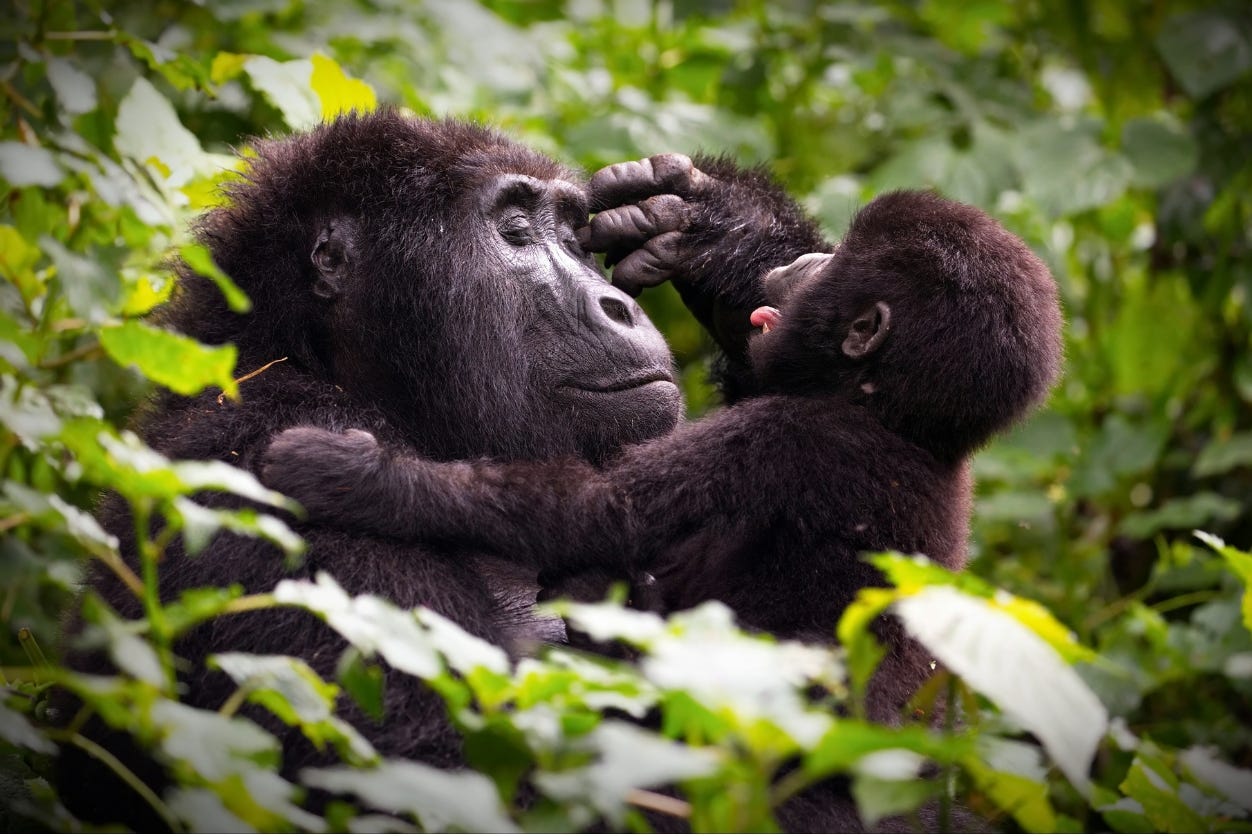
Rwanda marked its 21st annual Kwita Izina ceremony this week, formally naming 22 baby Mountain Gorillas born in Volcanoes National Park over the past year — including a new arrival in Musilikale’s group, which at 26 members is now the park’s largest gorilla family. The celebration comes on the heels of a freshly completed 2025–2026 census confirming the mountain gorilla population has crossed 1,100 individuals for the first time since systematic monitoring began, a meaningful jump from the 1,000-gorilla milestone reached in 2018. Conservationists credit sustained anti-poaching patrols, veterinary care, and community-based tourism revenue-sharing around the Virunga Massif for the continued growth of a subspecies that once teetered near extinction.
totally need some environmental and conservation good news in my inbox every week - you get my support.