


Here’s your weekly roundup of environmental good news stories from around the world. I hope these lift you up, give you inspiration, and remind you that despite the conflict and chaos, there are good people in this world making progress for the planet.
India’s “red road” prevents wildlife collisions
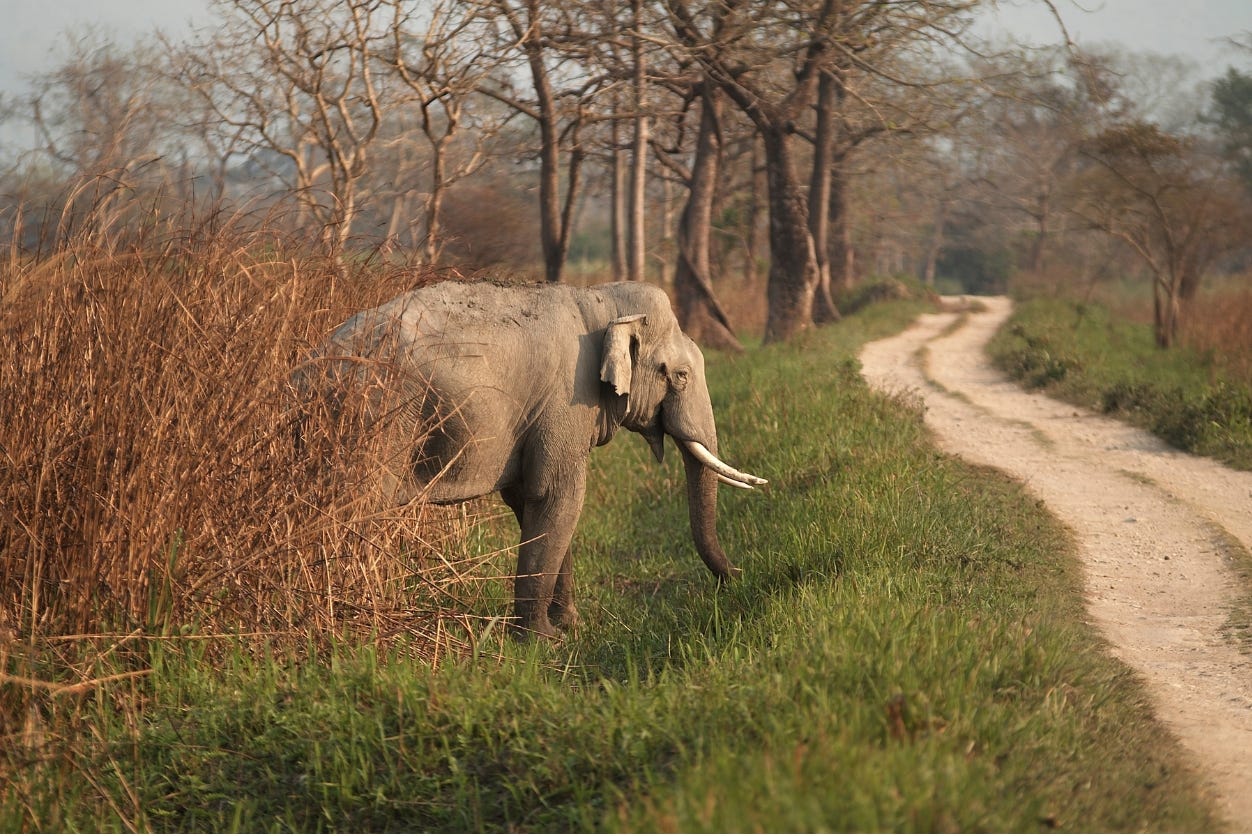
India has rolled out its “red road” along a 7.5-mile stretch of National Highway 45, using color psychology to encourage slower driving through the Veerangana Durgavati Tiger Reserve. The design features a bright red, 5-millimeter-thick surface layer. Red is proven to alert the human brain 10% faster than other colours, and the raised surface generates mild feedback that encourages drivers to slow down without breaking suddenly. Before the project was even complete, researchers recorded more than 40,000 animals using the crossing in just 40 days. Species included Golden Jackals, Spotted Deer, Leopards, Peacocks, and even Indian Elephants.
Paris court rules TotalEnergies must disclose climate risks of its oil and gas products
On June 25, 2026, a Paris court ruled that fossil fuel giant TotalEnergies must formally disclose the climate risks associated with its Scope 3 emissions — the greenhouse gases produced when customers use its oil and gas products. The judgment marks a major milestone in French climate litigation, establishing for the first time that a multinational’s legal “duty of vigilance” extends beyond its own operations to the environmental impact of its core products. TotalEnergies has been given six months to integrate these risks into its vigilance plan and outline measures to mitigate them, transforming a previously voluntary reporting practice into a court-monitored legal requirement that challenges the industry-wide habit of distancing corporate responsibility from end-user consumption.
California battling invasive mosquitos
The San Gabriel Valley Mosquito and Vector Control District has launched the “SGV Mosquito Match” program in Bassett, California. They will release more than 450,000 sterile male mosquitoes — which don’t bite like females do — in order to reduce the invasive Aedes aegypti mosquitos that transmit yellow fever, dengue and Zika. The project utilizes the Sterile Insect Technique (S.I.T.), where lab-reared males carrying Wolbachia bacteria mate with wild females to produce eggs that will never hatch. This approach reduces the population of invasive species (and insect-borne disease) without using pesticides that harm beneficial insects like bees and butterflies.
Milan holds its first “Parliament of Living Species”
Milan recently hosted its first Parliament of Living Species at City Hall, giving a formal voice to the city’s non-human residents. Facilitated by designers and conservationists, the assembly represented 50 species of urban wildlife, from birds to mammals to amphibians. By treating animals as legitimate stakeholders, Milan is demonstrating how cities can function as ecosystems where biodiversity is built into the urban fabric. The project has resulted in urban planning guidelines that city officials have pledged to integrate into future infrastructure projects.
Europe’s air quality shows steady decrease in major pollutants
The EU’s Copernicus Atmosphere Monitoring Service (CAMS) released its latest report this week, confirming a long-term downward trend in nitrogen oxide and particulate matter across the continent. While some local hotspots remain, the report defines the overall progress as “encouraging,” proving that low-emission zones and the phase-out of coal-heavy industry are delivering cleaner air.