


Here’s your weekly roundup of environmental good news stories from around the world. I hope these lift you up, give you inspiration, and remind you that despite the conflict and chaos, there are good people in this world making progress for the planet.
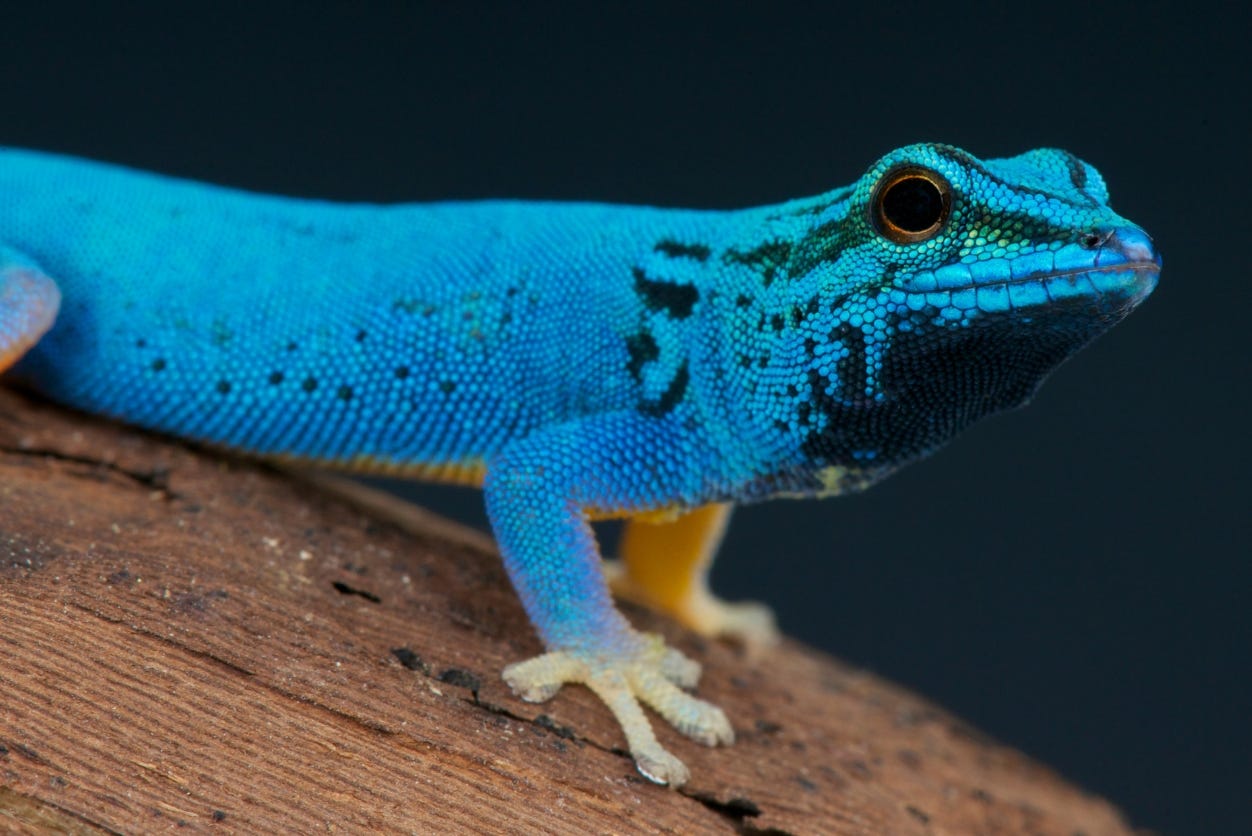
Endangered gecko makes a comeback in Tanzania
Once pushed to the brink by the exotic pet trade, the dazzling Williams’ Electric Blue Day Gecko (Lygodactylus williamsi) has become a conservation success story. Endemic to central Tanzania, the species suffered steep declines as collectors destroyed its Screwpine habitat and captured tens of thousands for export. A 2017 international trade ban under CITES, combined with captive breeding programs and restoration efforts, have helped reverse the trend. Since 2016, residents and rangers have removed nearly 100,000 invasive cedar trees, reduced forest fires by around 80%, and planted roughly 5,000 native trees annually, restoring habitat not only for the geckos but also for monkeys, birds, and other wildlife. Researchers now report that populations have rebounded to levels seen before the pet trade boom.
Community solar project under way in Nova Scotia
A 3.15-megawatt community solar project near Halifax secured a key interconnection agreement and is moving toward construction. Developed under a subscription model, the project will allow renters, homeowners and businesses to access solar power without installing panels themselves. The system is expected to generate enough electricity for the equivalent of 288 homes annually. Community solar expands access to renewable energy and supports Nova Scotia’s goal of reaching 80% renewable electricity by 2030.
Grasslands protected in Saskatchewan
The Nature Conservancy of Canada expanded protected lands around Buffalo Pound Lake in Saskatchewan. These native grasslands help filter drinking water for roughly a quarter of the province’s population, including residents of Regina and Moose Jaw. Protecting the area also preserves habitat for wildlife and safeguards one of Canada’s most endangered ecosystems. The acquisition demonstrates how conservation can provide both ecological and human benefits.
Mangroves recovering around the world
A new global study found that mangrove ecosystems, long feared to be in irreversible decline, are showing signs of recovery overall. Researchers reported encouraging trends in several regions thanks to restoration efforts and improved protection. Mangroves buffer coastlines from storms, store large quantities of carbon, and provide nursery habitat for fish and wildlife. Their rebound suggests nature can recover when given the chance and offers hope for coastal communities facing climate change.
Solar-powered boat intercepts plastic waste in California
At the mouth of Ballona Creek in Los Angeles, nonprofit The Ocean Cleanup, founded by Dutch inventor Boyan Slat, is operating a solar-powered “Interceptor” system designed to capture trash before it reaches Santa Monica Bay. The floating conveyor-belt system can hold up to 20,000 pounds (9,000 kilograms) of debris, and in 2025 alone prevented more than 143,000 pounds of plastic and waste from entering the ocean. Similar systems are already operating around the world, and the organization aims to expand to the 30 most polluted coastal cities by 2030. By tackling pollution at its source, the project offers a scalable model for restoring healthier waterways and marine ecosystems.
Thank you. You have no idea how much good news is appreciated.