


Here’s your weekly roundup of environmental good news stories. Enjoy!
Toronto providing reusable cups for FIFA World Cup Fan Festival
The City of Toronto is kicking off a reusable cup system at its FIFA Fan Festival. The program is being run by Muuse Canada, the company that provided reusable cups for the Coldplay concerts at Rogers Stadium — diverting more than 7,000 pounds of plastic waste. From June 11 to July 19, Muuse Canada will provide 532,000 cups that can be returned, washed, and reused. The project is expected to prevent 237,378 pounds of waste.
Marine Protected Areas surpass 10% of the world’s oceans
For the first time in history, more than 10% of the world’s oceans are now under formal protection, a milestone marked on World Oceans Day (June 8). While progress toward the 30 by 30 target (30% by 2030) is still needed, crossing the 10% threshold represents years of diplomatic effort and treaty-building, including momentum from the High Seas Treaty.
Amazonian Indigenous women win EU’s 2026 #ForOurPlanet Prize
The Amazonia Indigenous Women’s Fellowship (AIWF), led by Conservation International, won the European Commission’s top environmental prize for its work strengthening Indigenous women’s leadership in protecting the Amazon rainforest. The award was announced at EU Green Week in Brussels on June 4 and explicitly frames Indigenous women as “primary drivers of the solution,” not passive victims.
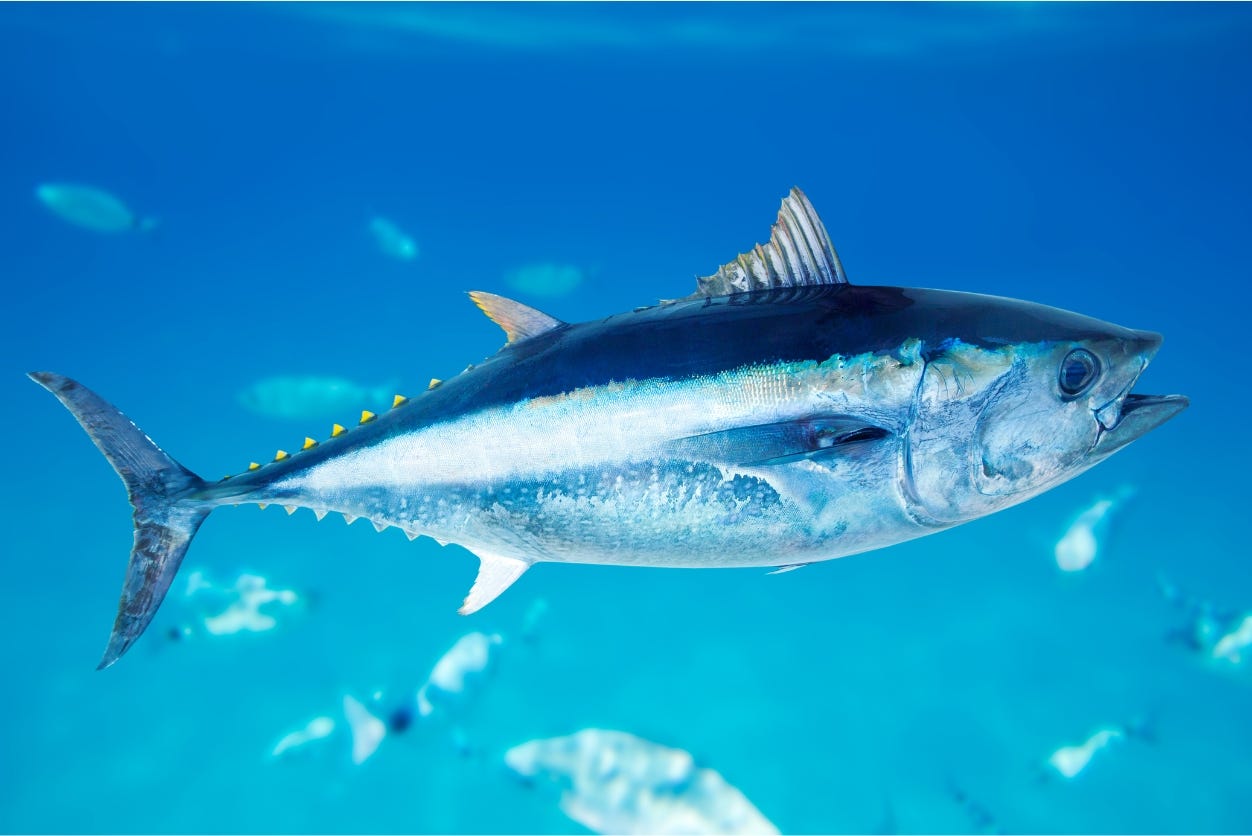
Tuna Are rebounding after decades of overfishing
A World Oceans Day analysis confirms that several tuna stocks — including Atlantic and Pacific bluefin — have made meaningful recoveries thanks to fishing quotas, enforcement, and international diplomacy. The turnaround is described as proof that marine conservation can work at industrial scale when rules are specific and enforcement is credible. (Indian Ocean yellowfin remains in trouble, and the piece is clear-eyed about remaining challenges.)
Everglades restoration project ahead of schedule
One of the most important projects in the decades-long effort to restore Florida’s Everglades is now on track for completion in 2029 — five years earlier than originally planned. The Everglades Agricultural Area Reservoir will store up to 78 billion gallons of water and help redirect water south into the Everglades rather than sending excess flows into coastal estuaries. Once operational, the project is expected to restore more natural water flow across more than 1.5 million acres of ecosystem and reduce damaging discharges from Lake Okeechobee to the St. Lucie and Caloosahatchee estuaries by as much as 80%, helping curb harmful algal blooms and improve water quality.
In North Lake, Canada, local fishermen swear the spectacular Atlantic bluefin tuna are so plentiful they eat out of people's hands.
Meanwhile, scientific evidence shows the species is on the brink of collapse.
Can both claims be true?
http://bluefinfilm.weebly.com