
Here’s your weekly roundup of environmental good news stories. Enjoy!
Endangered Kirtland’s Warblers return to Ontario
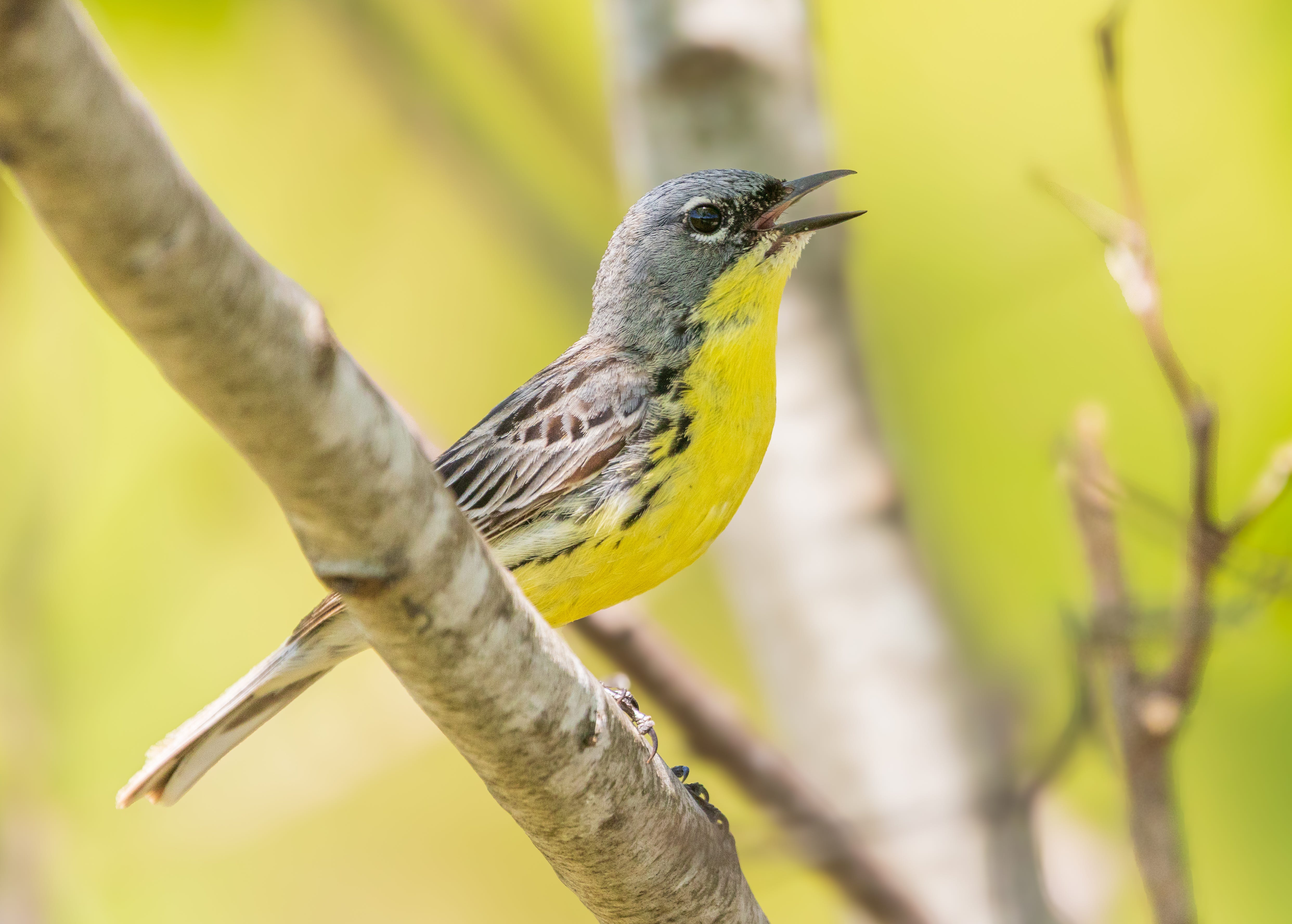
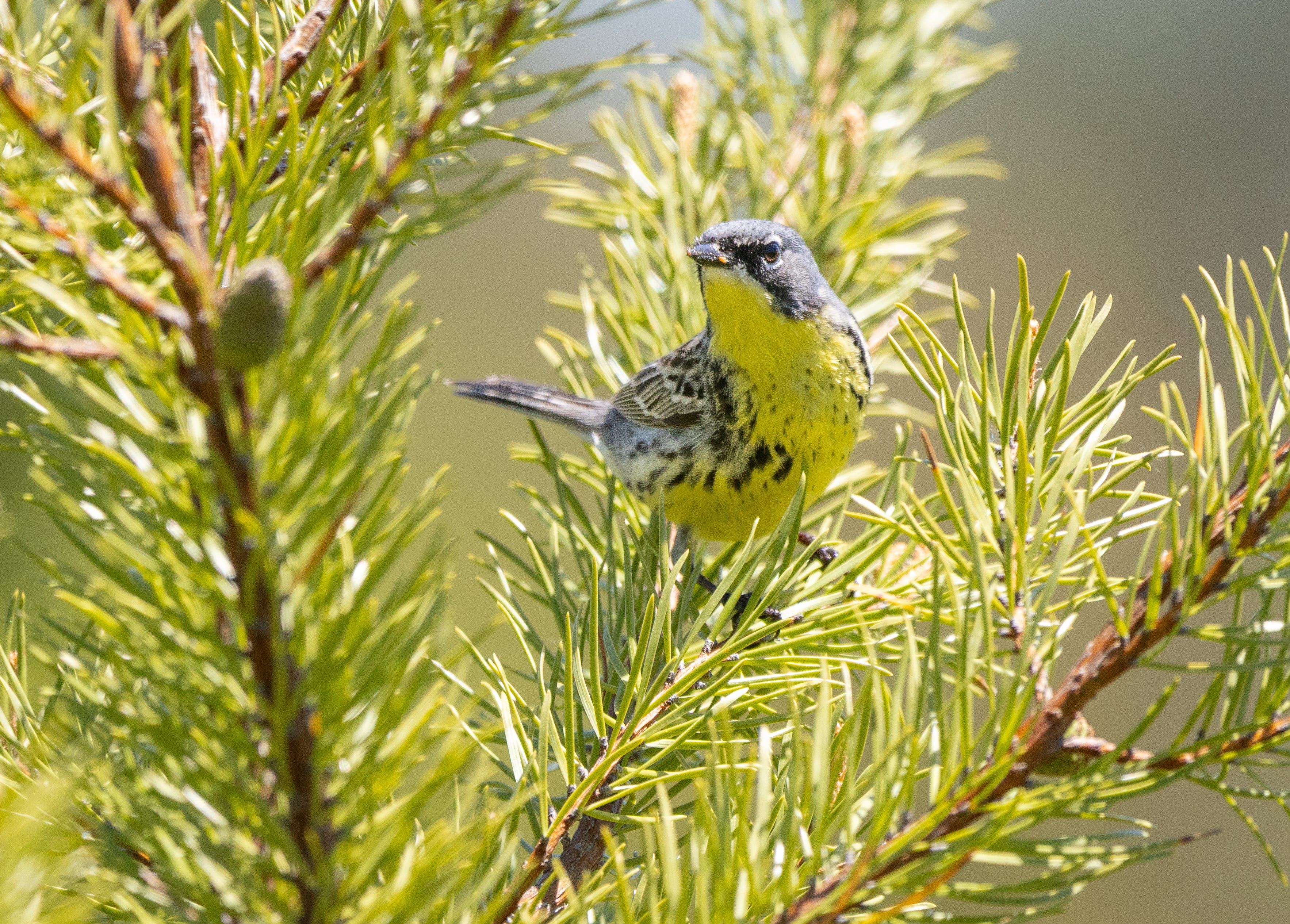
The critically endangered Kirtland’s Warbler — a species with fewer than 5,000 individuals remaining — has been spotted at a restoration site in the Simcoe County Forest, Ontario. (Yours truly got to visit the site and watch two males singing up a storm!)
Simcoe County began the habitat creation project in 2017, aiming to establish 130 acres of young pine forest — the precise habitat Kirtland’s Warblers depend on for nesting. Restoration of the former aggregate pit involved removing non-native trees and plants, grading the site, performing controlled burns, and planting over 85 species of native trees and plants. County staff worked with the Canadian Wildlife Service and GEI Consultants to complete the project — the first of its kind in Canada.
Crow gives ‘thank-you gifts’ to woman who rescued it
When Leah Wilson rescued a neighbourhood crow, she made a friend for life. She was out walking her dog and noticed several crows circling and diving at a roof. It turned out a crow was stuck in the eavestroughs, but none of the neighbours had a tall enough ladder to reach it. Wilson noticed a fire truck parked a couple blocks away — and convinced the firefighters to rescue the crow. As Wilson drove the crow to a wildlife rehabilitation centre, the bird latched onto her finger — a moment she says was life changing.
The crow was released a few days later. Not long after, Wilson was out for a walk when a crow flew to her and dropped something at her feet: a little bundle of feathers. When she saw the silver band on the crow’s leg, she knew it was the bird she’d rescued. Now, whenever Wilson is out walking, the crows join her — and they have given her an assortment of thank you gifts. Wilson, who is Metis, says she “grew up with grew up with understanding the importance of having a relationship with the natural world.” It’s a lesson we can all take from this heartwarming story.
Scotland to ban plastic wet wipes
Scotland announced a ban on plastic-containing wet wipes — a move welcomed by environmental groups and coastal cleanup volunteers, who have long flagged single-use wipes as one of the most persistent and underreported sources of plastic pollution on beaches and in waterways. Wet wipes that contain synthetic plastic fibres do not biodegrade, and they regularly turn up in coastal cleanups in large quantities. The ban is expected to push both consumers and manufacturers toward reusable and biodegradable alternatives, and campaigners hope it will serve as a template for similar legislation across the rest of the UK and beyond.
Lithuania hits 50% renewable electricity
Lithuania’s energy transformation is one of the most striking national clean energy success stories in recent memory. The Baltic nation, once almost entirely dependent on fossil fuel imports, has rocketed from 15% renewable electricity just five years ago to 50% in 2025, driven by massive investment in solar and wind. Officials describe the shift as “turning crisis into opportunity,” with Russia’s invasion of Ukraine accelerating the country’s determination to build energy independence. Lithuania is now being held up as a model for other energy-importing nations navigating the same path.
Little Blue Penguins have record season in New Zealand
Little Blue Penguins in New Zealand had one of the most successful breeding seasons ever recorded, with 994 chicks fledging in a single year. Researchers also documented several rare triple broods, where penguin pairs successfully raised more chicks than is typically expected. The record season follows decades of dedicated conservation management, including microchipping and advanced population monitoring. Researchers credit improved environmental conditions and careful habitat stewardship, and they say the data is helping them better understand what conditions give seabird populations the best chance of thriving.
Did you find this post uplifting or interesting? Have any questions? Let me know in the comments!