


Each week, we bring you stories of environmental good news from around the world — reminders that even in these tough times, people and nature are finding ways to recover and thrive. May these stories inspire hope for a healing planet.
Indigenous women bring back burning in British Columbia
Indigenous women in northwest British Columbia are reviving the practice of cultural burning. They are members of the Gitanyow community, which traditionally used fire to stimulate plant growth, attract wildlife, and prevent wildfires — until the practice was banned during colonization. Now, the BC Wildfire Service is working with Indigenous communities to implement cultural burns, with more than 30 projects slated for this spring.
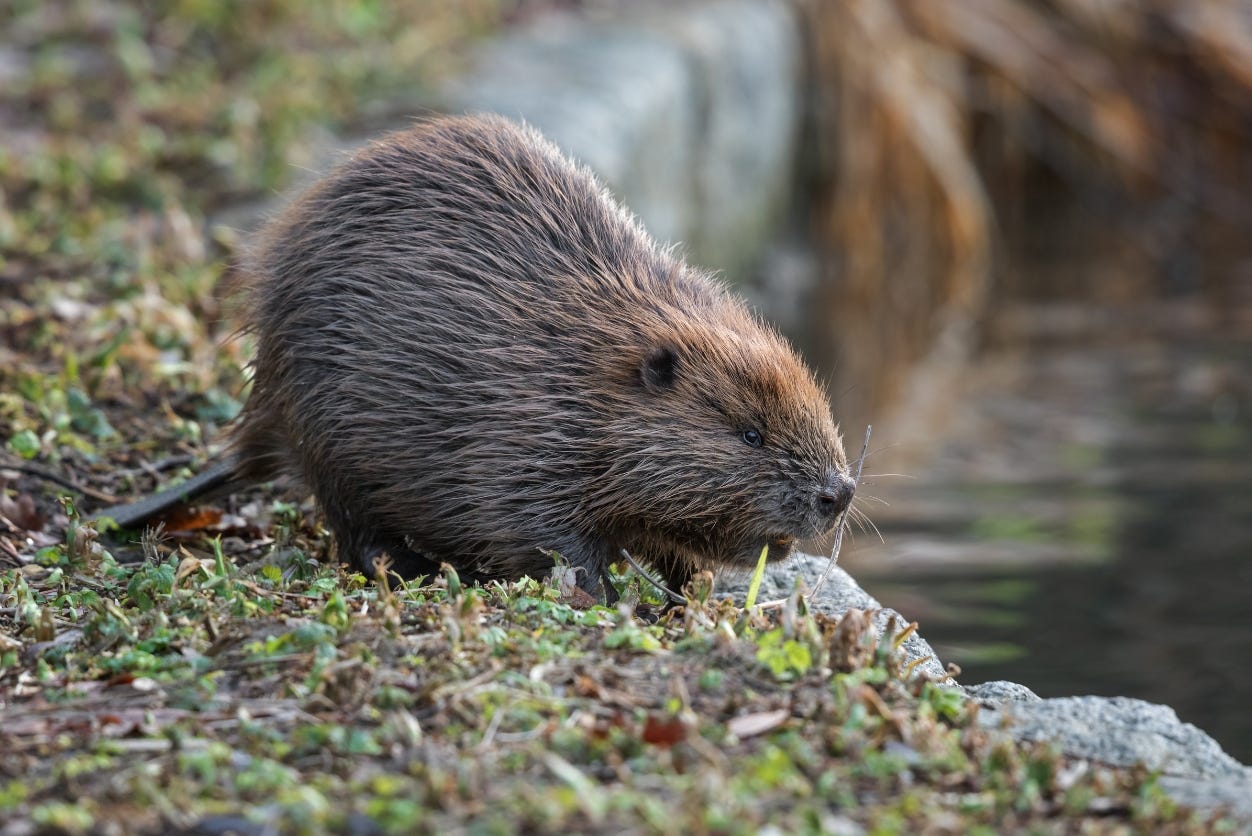
Beavers return to English landscape after 400-year absence
A family of Eurasian beavers has been released into the wild on the Southill Estate, where the species had been extinct for centuries. The animals are expected to restore wetlands by building dams that slow water flow and retain moisture in the landscape. Conservationists say the reintroduction will improve habitat diversity, boost biodiversity, and help reduce flooding and drought impacts over time.
DNA tools help scientists restore climate-threatened ecosystems
Scientists are increasingly using genetic tools to guide conservation decisions, helping restore ecosystems more resilient to climate change. By studying the DNA of species such as eelgrass, researchers can identify strains better adapted to warming conditions and replant them in restoration projects. This emerging approach, known as conservation genomics, could dramatically improve the success of habitat restoration efforts.
Greening vacant lots reduces crime in Philadelphia
Transforming abandoned lots into green spaces is helping make neighbourhoods safer across Philadelphia. Through a long-running program led by the Pennsylvania Horticultural Society, more than 12,000 neglected plots have been cleaned, planted, and maintained, turning once-blighted areas into community spaces. Research has shown that neighborhoods near these greened lots experienced a 29% drop in gun violence and a 21% reduction in burglary, along with improved mental health among residents.
Danish millionaire buys farmland to restore nature
A Danish entrepreneur is using his personal wealth to buy up intensively farmed land and restore it to nature, transforming former crop fields into wetlands, forests, and wildflower meadows. Through his company Earthbreak, he phases out agricultural production and reintroduces natural processes such as re-wetting drained soils and allowing grazing animals to shape the landscape. Hundreds of hectares have already been purchased, helping revive biodiversity in a country where about 60% of land is used for farming.