


Each week, we bring you stories of environmental good news from around the world — reminders that even in these tough times, people and nature are finding ways to recover and thrive. May these stories inspire hope for a healing planet.
Scientists discover 110 new species in the Coral Sea
A major ocean expedition has uncovered more than 110 previously unknown species of fish and invertebrates in the Coral Sea Marine Park off the coast of Queensland. Scientists aboard a research vessel spent 35 days exploring deep-sea habitats between 200 metres and 3 kilometres below the surface, identifying new sharks, rays, and a wide range of invertebrates such as sponges and brittle stars. Researchers say the discoveries highlight just how little we know about deep-ocean biodiversity and strengthen the case for protecting remote marine ecosystems from emerging threats like deep-sea mining.
Canada’s announces new conservation strategy
Canada has unveiled a national conservation strategy that aims to expand protected areas across the country, including new national parks, marine conservation zones, and urban green spaces. Central to this plan is the goal of safeguarding 30% of Canada’s lands and waters by 2030. Special focus is being placed on wetlands critical for migratory birds. Protecting these habitats will help secure breeding and resting sites along major flyways, supporting species that travel thousands of kilometres annually and rely on healthy wetland ecosystems throughout their life cycles. Scientists and conservation groups agree that such a comprehensive strategy can safeguard vital habitats, restore salmon populations, improve biodiversity protection nationwide, and enhance the long-term survival rates of migratory birds.
Bilby population booms in predator-free Australian reserve
A conservation breeding program has triggered a dramatic comeback for the vulnerable Greater Bilby in Mallee Cliffs National Park. Since the initial release of just 50 animals in 2019, the population has grown to roughly 1,840 individuals within a fenced predator-free zone. Motion cameras now detect Bilbies across most of the protected area, suggesting they are thriving and spreading naturally. Conservationists say the project shows how removing invasive predators and protecting habitat can allow threatened mammals to recover rapidly.
Rare antelope returns to central India after nearly a century
The Blackbuck Antelope is making a remarkable comeback in parts of central India, where it had disappeared nearly 100 years ago. After reintroductions began in 2018, conservationists have now released about 130 blackbucks into the wild, with another 60 still being prepared for release. The animals are being monitored through camera traps and field patrols, and early results suggest the growing population is helping restore native grasslands by grazing in ways that support plant diversity. The project is being hailed as a strong example of how reintroduction programs can rebuild both species populations and ecosystems.
Early wildlife activity shows signs of climate adaptation
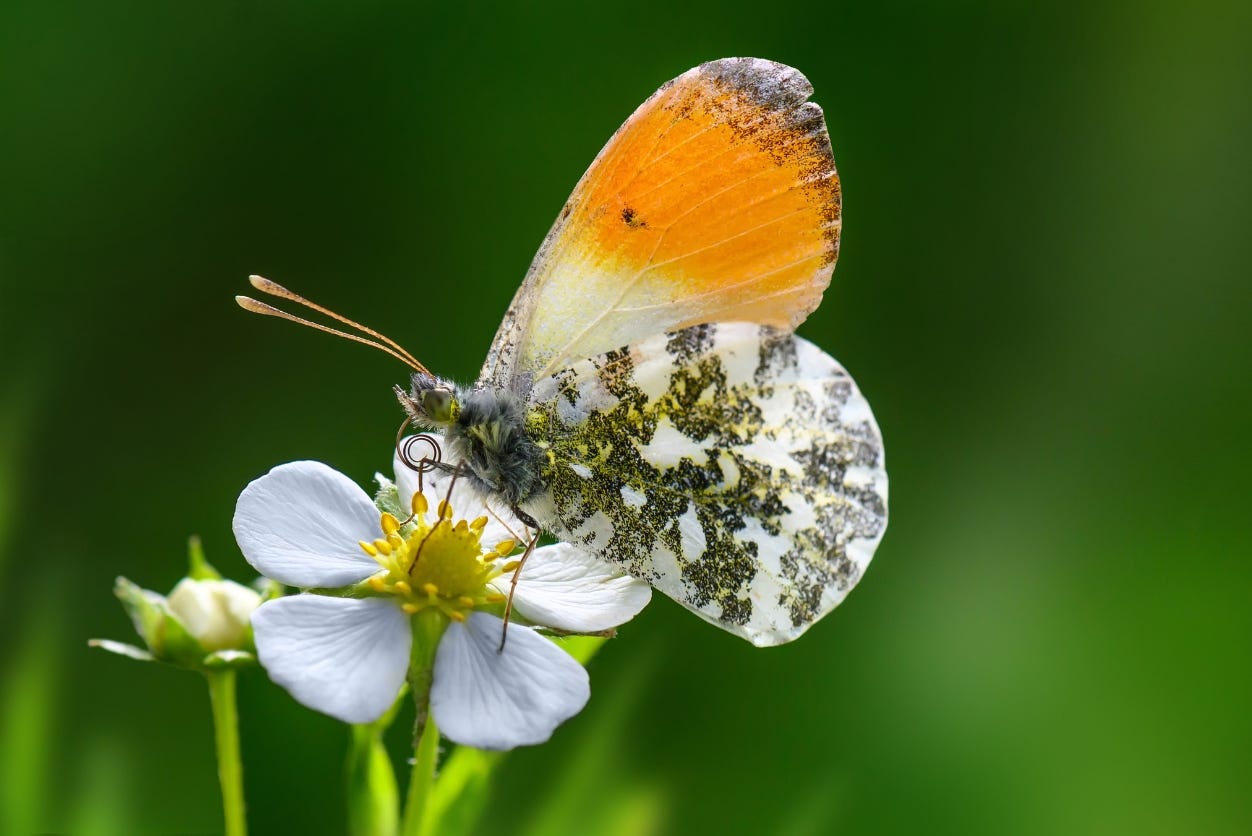
Citizen-science records across the UK show that birds, butterflies, and plants are emerging earlier than usual this spring — sometimes weeks ahead of historic averages. While earlier seasonal timing can pose risks, researchers note that several species appear to be successfully adjusting their breeding and feeding cycles to match changing conditions. These observations provide evidence that some wildlife populations may be adapting to warming temperatures, offering important clues about resilience in a changing climate.