


Here’s your weekly roundup of environmental good news stories from around the world. Have a wonderful week!
High Seas Treaty comes into force
On January 17, 2026, the UN High Seas Treaty officially entered into force. After more than 15 years of negotiations, the treaty reached the threshold of 60 national ratifications on September 19, 2025. The agreement creates the first legally binding global framework to protect biodiversity in international waters. It allows countries to establish marine protected areas and requires environmental impact assessments for activities such as fishing and seabed mining. The treaty supports the global goal of protecting 30% of the world’s oceans by 2030, with more than 80 countries having ratified it so far.
Long Island Sound’s ‘dead zones’ hit historic low
In 2025, low-oxygen “dead zones” in Long Island Sound reached their smallest size in nearly 40 years. The affected area shrank to about 18 square miles, down from much larger zones seen in past decades. Officials attribute the improvement to long-term investments in wastewater treatment and reductions in nitrogen pollution. The cleaner water is creating better conditions for fish and marine life, with recent sightings of dolphins highlighting early signs of ecological recovery.
2026 Tyler Prize awarded to Dr. Toby Kiers
The 2026 Tyler Prize for Environmental Achievement was awarded to Dr. Toby Kiers for her groundbreaking research on underground fungal networks. Her work shows how mycorrhizal fungi support soil health, biodiversity, and carbon storage. Often called the “Nobel Prize for the Environment,” the award recognizes her efforts to map and protect these hidden ecosystems. The prize ceremony will take place on April 23, 2026, in Amsterdam.
AI weather forecasting predicts monsoons in India
A study published in Nature Climate Change in early 2026 describes an AI-based weather model that improves predictions of monsoons in India. The system provides forecasts several weeks in advance, offering valuable lead time for farmers and local planners. More accurate predictions can help reduce crop losses and improve preparedness for extreme weather. The research highlights how artificial intelligence can strengthen climate adaptation in vulnerable regions.
Rewilding site in England sees 900% increase in birds
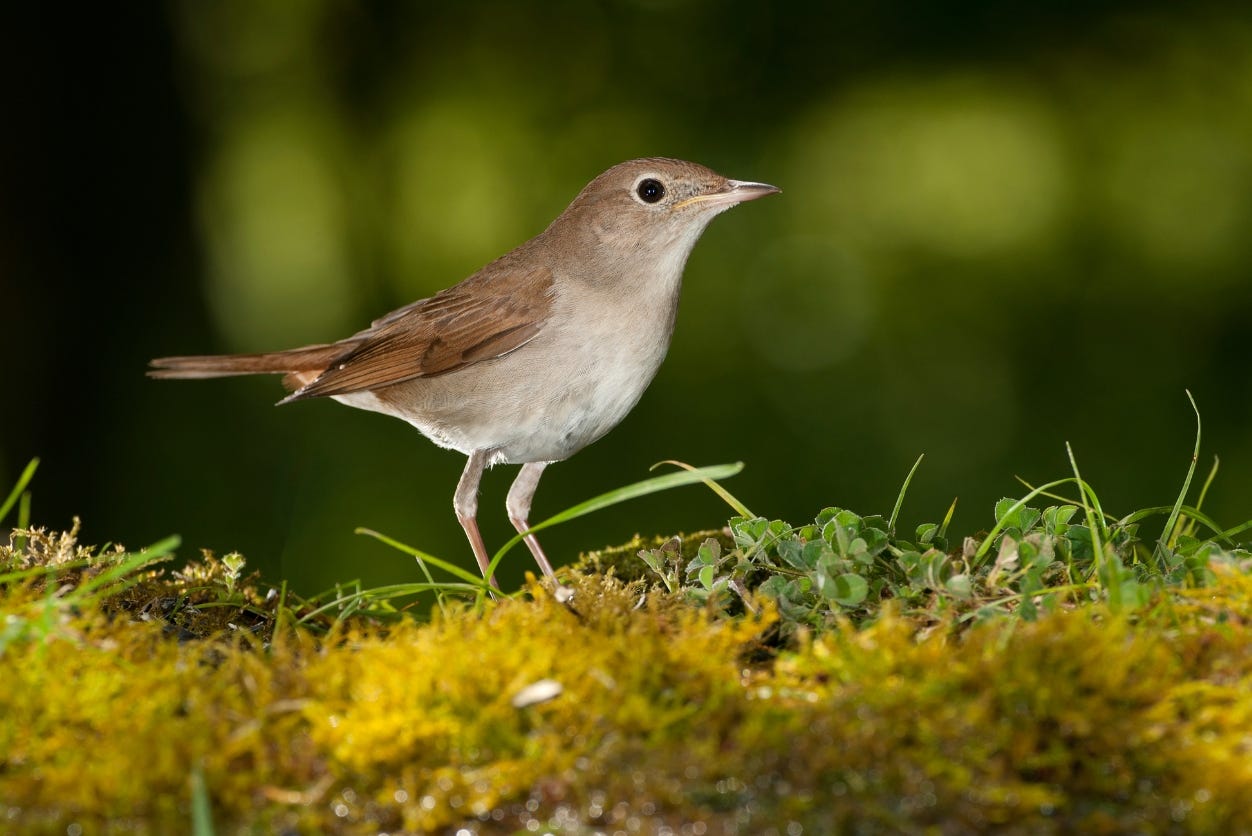
The Knepp Estate in Sussex, England, has recorded a roughly 900% increase in breeding birds after two decades of rewilding. The former 3,500-acre farm stopped intensive agriculture and allowed natural processes to restore the land. Populations of rare species such as Nightingales and Turtle Doves have rebounded, along with many insects and other wildlife. The results show how rewilding can rapidly boost biodiversity at scale.
wow, 900% increase in birds!
A joy to read, thank you for tirelessly sharing these stories of hope.