


Here’s your weekly roundup of environmental good news stories from around the world. Enjoy!
Ghana bans mining in forest reserves
Ghana has officially banned mining in its forest reserves, repealing a 2022 regulation that allowed controlled mining in these protected areas. This policy shift aims to curb the deforestation, water pollution, and ecosystem destruction caused by illegal mining, which has spread across 13 of the country’s 16 regions. The repeal gives the government stronger legal tools, which include licensing artisanal miners and improving enforcement.
Steller Sea Lion rescued from entanglement in B.C.
A female Steller Sea Lion entangled in a thick rope around her neck near Cowichan Bay, British Columbia has been successfully freed after a weeks-long rescue effort involving the Vancouver Aquarium Marine Mammal Rescue Society, Fisheries and Oceans Canada, the Cowichan Tribes, residents, and volunteers. First spotted on November 7 with a severe neck injury, the sea lion — later named Stl’eluqum — was carefully tracked by boats and drones, then sedated and disentangled when weather and her irregular
UK building 50 hectares of oyster habitat
A huge oyster reef restoration project is underway off the coast of England, aiming to rebuild 50 hectares of native oyster habitat. The project, led by conservation groups including the Blue Marine Foundation, uses specially designed reef structures seeded with juvenile oysters to revive natural filtration, provide shelter for fish and seabirds, and protect the shoreline from erosion. By restoring these ecosystem engineers, the project not only boosts biodiversity and water quality but also contributes to climate resilience and sustainable fisheries, offering a model for how coastal restoration can bring tangible ecological and economic benefits.
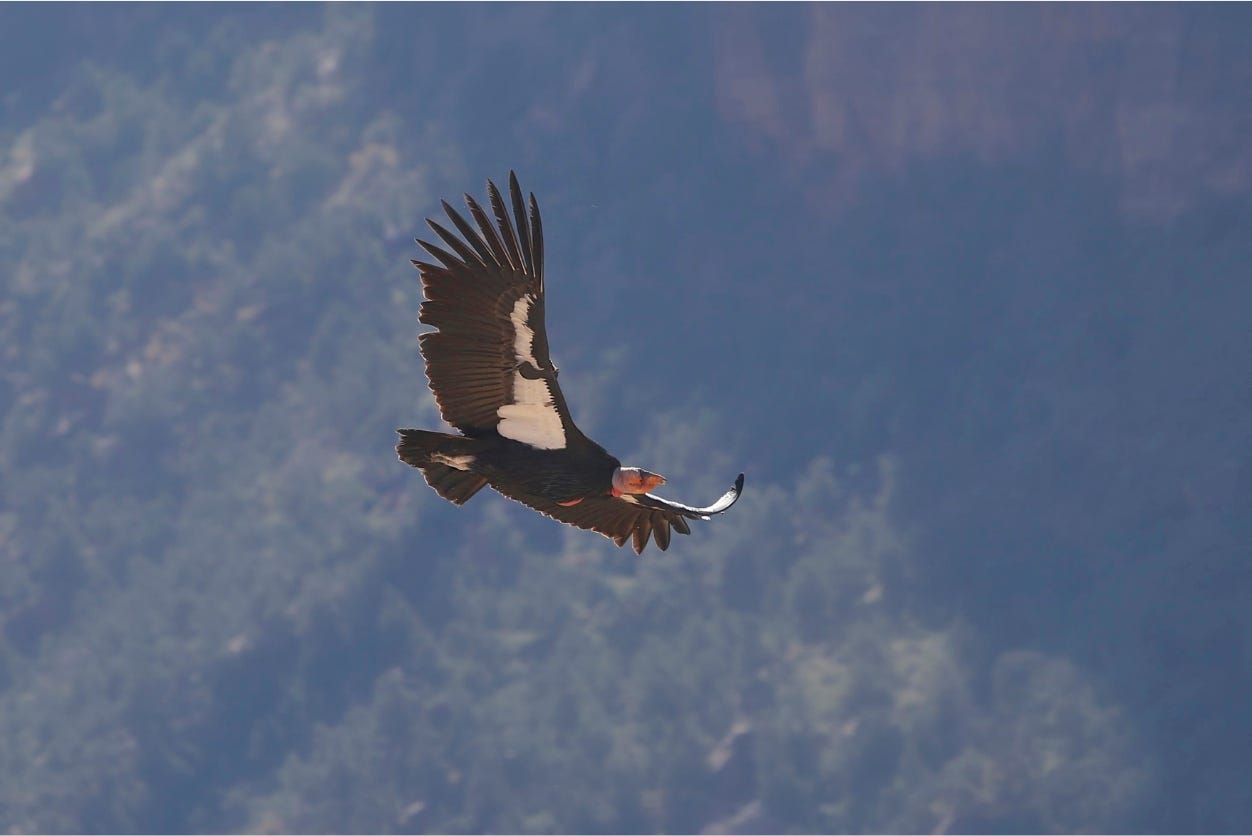
Colossal Foundation commits $500,000 to reintroduce California Condor to Idaho and Oregon
The Colossal Foundation has pledged $500,000 over ten years to support the Nez Perce Tribe’s Wildlife Division in returning the Critically Endangered California condor — known as qú’nes in the Nez Perce language — to its ancestral homelands in Idaho and Oregon for the first time in over 125 years. The project combines Indigenous leadership, traditional ecological knowledge, and modern conservation planning to expand the bird’s range, strengthen genetic resilience, and prepare safe habitat ahead of reintroductions planned as early as 2031.
Researchers have developed lab-grown leather
Using cells from a living cow, researchers have developed lab-grown cow leather, creating a sustainable alternative to conventional leather. The process produces real leather tissue without slaughtering animals, and avoids the environmental impacts of raising cattle. Early tests suggest it can be engineered for durability, texture, and colour, making it suitable for fashion and upholstery. By combining biotechnology with material innovation, this breakthrough represents a significant step toward ethical, eco-friendly luxury goods.