


Here’s your weekly roundup of environmental good news stories. Enjoy!
EU pesticide ban has led to bird recovery
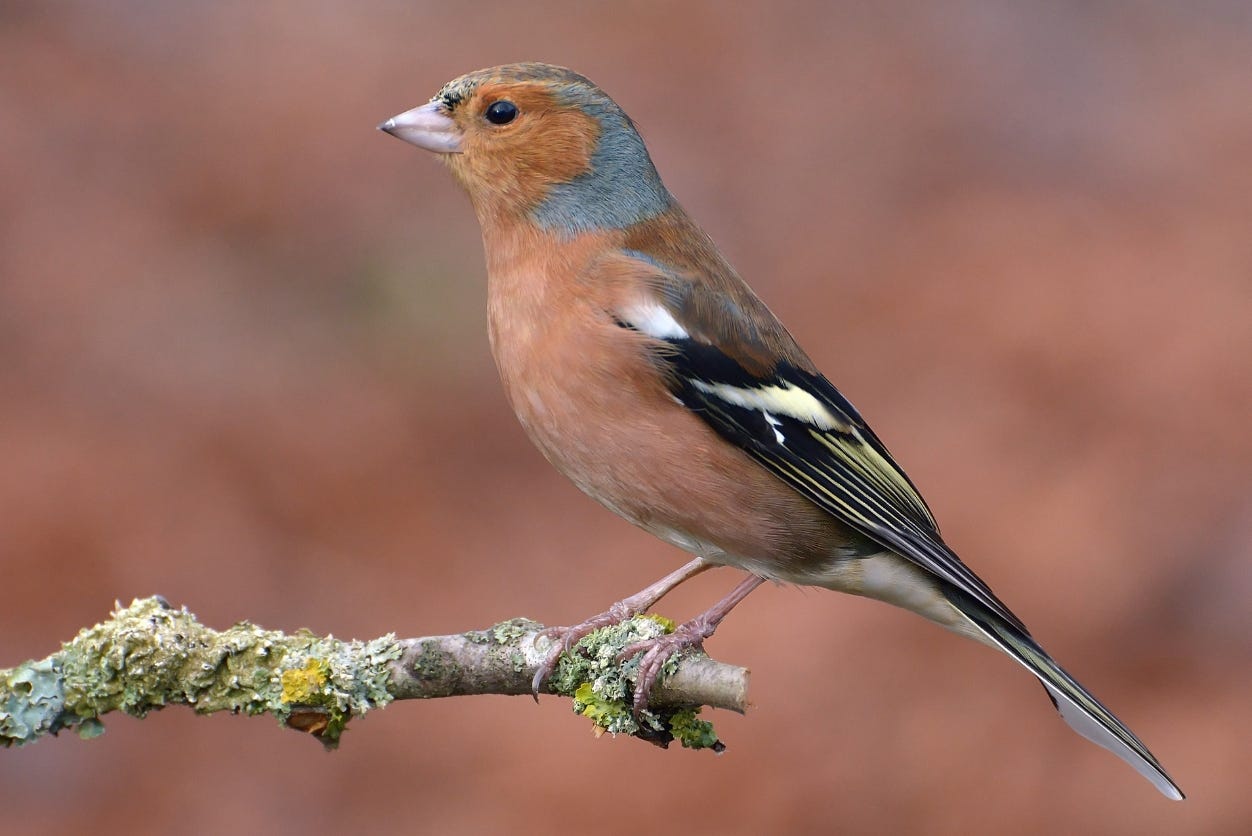
A new study shows that bird numbers in France have started to rebound since the EU banned neonicotinoids — insecticides that are highly water-soluble, persist in soil and water, and are linked to widespread harm to pollinators. Insect-eating birds like Blackbirds and Chaffinches increased 2-3% between 2018 and 2022. Before the ban, areas that used neonics had 12% fewer birds than those that didn’t, underscoring the pesticide’s broad ecological impacts. Researchers say the rebound is modest but meaningful: it provides some of the clearest evidence yet that reducing harmful chemicals in agriculture can lead to improvements in biodiversity.
The ozone hole continues to shrink
NASA and NOAA announced that the 2025 Antarctic ozone hole was the fifth smallest since 1992, continuing a long-term trend of gradual recovery. At its peak on September 9, the hole measured 8.83 million square miles, a significant improvement from the severe depletion seen in the late 20th century. Scientists say the steady healing reflects the success of the Montreal Protocol, the global agreement that phased out ozone-destroying chemicals like CFCs.
New Jaguar individual sighted in Arizona
Researchers from the University of Arizona’s Wild Cat Centre have documented a new Jaguar individual in Arizona. The big cat was recorded by a trail camera three times in November as it visited a watering hole, making it the fifth individual Jaguar documented in the state over the past 15 years. Jaguars were largely extirpated from the U.S. by the mid-20th century, so each appearance is noteworthy — and this one, a previously unknown male, may indicate that the species is starting to reestablish. Conservationists say the sighting suggests that parts of the Sky Islands region still offer the connectivity and prey base needed for these wide-roaming predators.
Depleted farmland in Tennessee turned into a vibrant state park
In West Tennessee, eroded farmland along the Forked River has been turned into Middle Fork Bottoms State Park, 860 acres of forests and wetlands. After the river flooded in 2010, wiping out a huge swath of farmland, the Nature Conservancy and the West Tennessee River Basin Authority teamed up to purchase land and restore the watershed. Critical to the project was helping the river reestablish its meandering course after decades of being forced into straight channels — which makes water run faster, flood more, and cause erosion. Along with various organizations and volunteers, the groups also planted more than 250,000 native trees and removed invasive vegetation. Today the area is once again home to wildlife, offers recreational opportunities, and experiences 85% less flooding.
WWF conserving over 1 million acres of grassland
The WWF’s Sustainable Ranching Initiative has reached an important milestone: ranchers in the Northern Great Plains have signed up 1.3 million acres for its habitat-friendly grazing program. This goes beyond the original goal of 1 million acres and is one of the biggest achievements in grassland conservation in recent years. This growth is supported by the Ranch Systems and Viability Planning (RSVP) network, which helps ranches adopt sustainable grazing practices, improve water management, and monitor ecosystems. The aim is to stop grasslands from being converted to other uses and to help wildlife thrive.